Optimal Timing for Porch Ceiling Installation
Spring and early fall are ideal due to moderate temperatures and lower humidity, which facilitate proper installation and drying.
Avoid periods of heavy rain, snow, or extreme heat to prevent delays and material issues.
Consistent temperatures between 50°F and 85°F support optimal curing and adhesion of ceiling materials.
Early planning allows for better scheduling, avoiding peak seasons and ensuring availability of materials and labor.
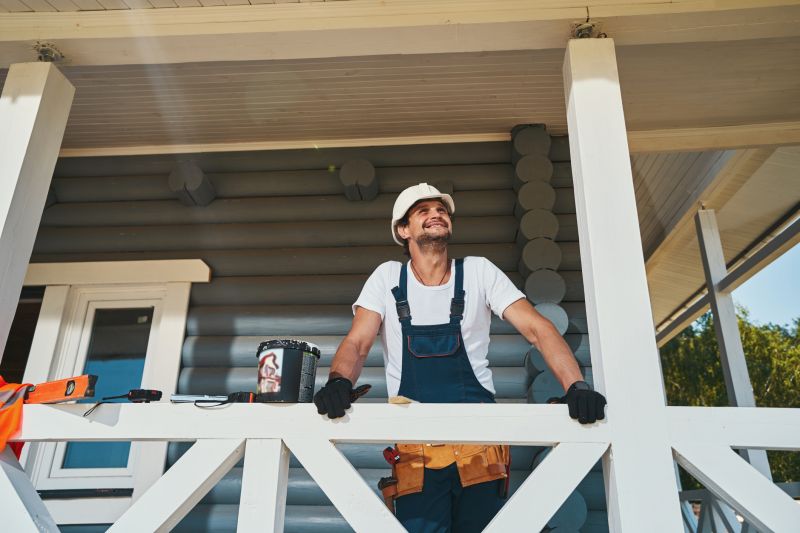
A contractor installing a porch ceiling during spring with mild weather conditions.
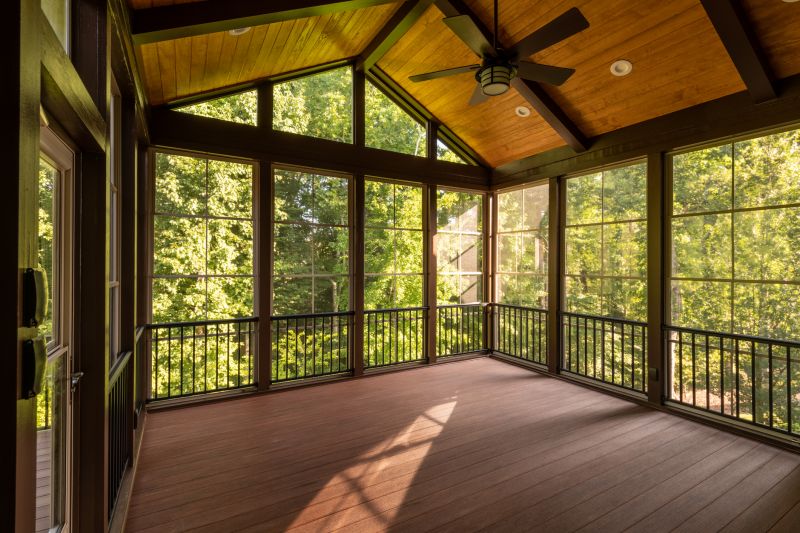
High temperatures and humidity can complicate installation processes.
Ideal conditions for porch ceiling work with cooler temperatures and dry weather.
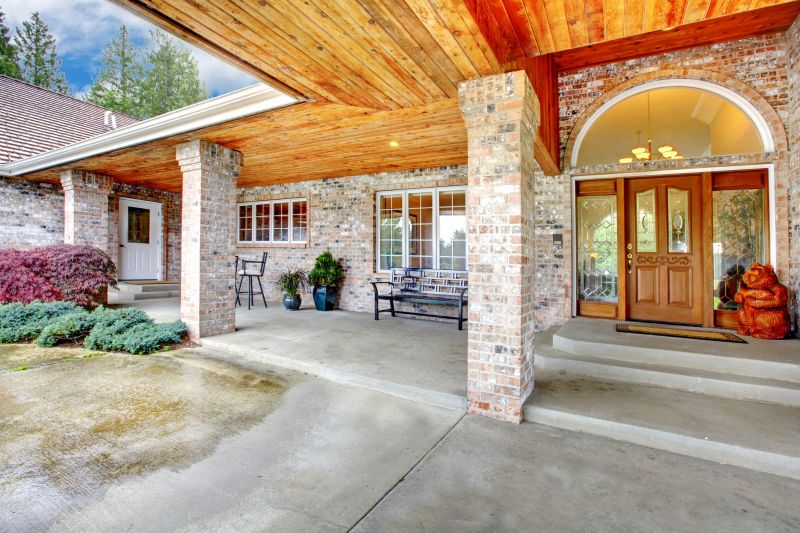
Winter installations are generally discouraged due to cold and moisture concerns.
| Season | Advantages | Challenges |
|---|---|---|
| Spring | Moderate temperatures, low humidity | Rain risk, unpredictable weather |
| Summer | Longer daylight hours | High heat and humidity can delay work |
| Fall | Cooler, dry weather | Shorter days, early frost risk |
| Winter | Less demand for contractors | Cold temperatures, moisture issues |
Porch ceiling installations require careful consideration of environmental factors to ensure optimal results. Proper timing minimizes risks such as warping, cracking, and adhesion failures. Analyzing local climate patterns and planning accordingly can lead to a more durable and visually appealing porch ceiling.
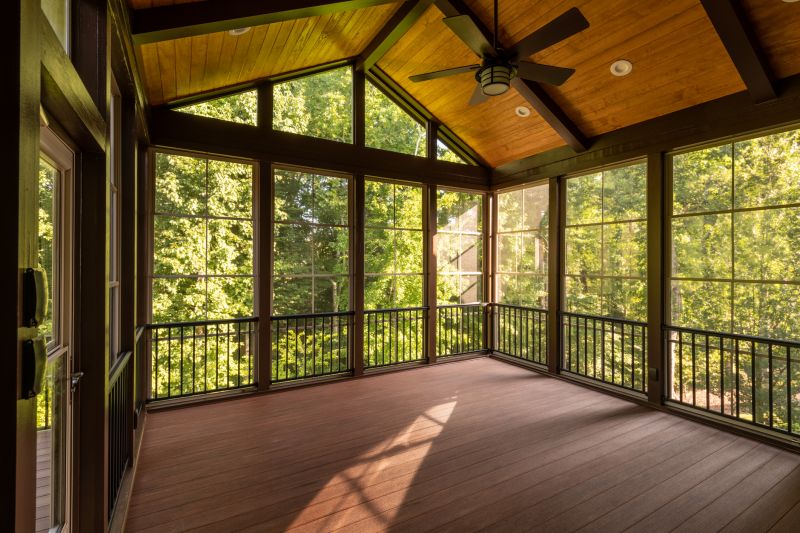
A porch ceiling installation underway during spring with clear weather.
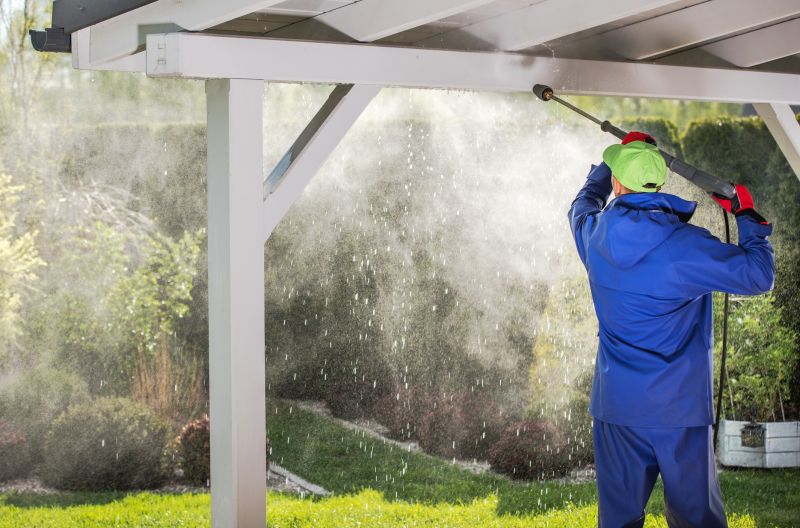
Worker applying protective coating in summer heat.
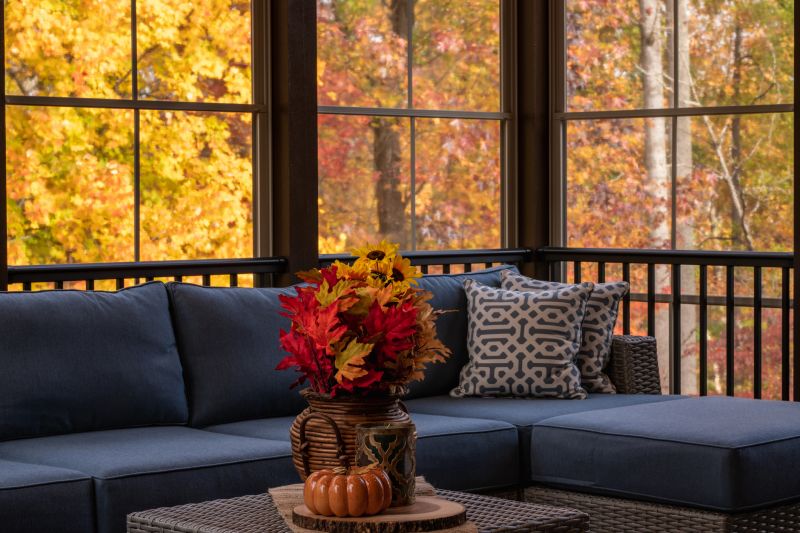
Preparing porch ceiling materials during autumn.
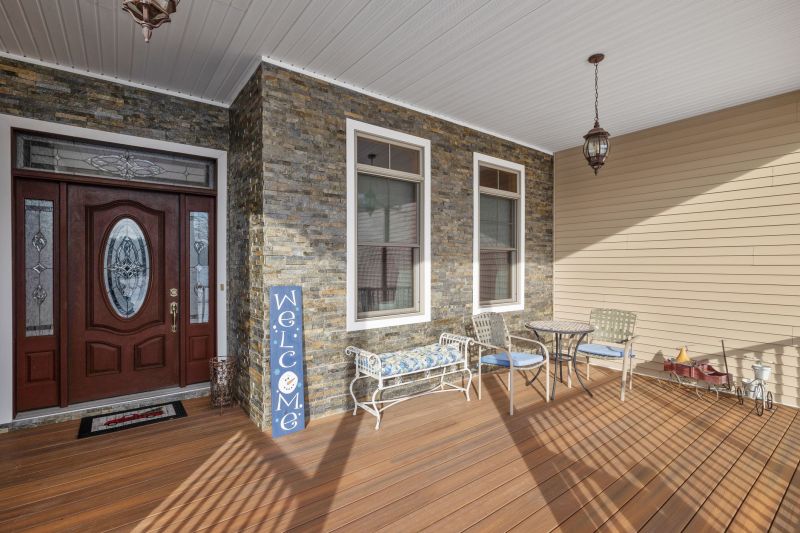
Cold weather affecting porch ceiling work.
Interested in porch ceiling installations? Filling out the contact form can provide tailored guidance on the best timing for specific project needs and local conditions.